

How Citizen Video Is Beating TV Crews to Extreme Weather
A practical playbook to request, verify, and pay for breaking storm footage with POV bounties
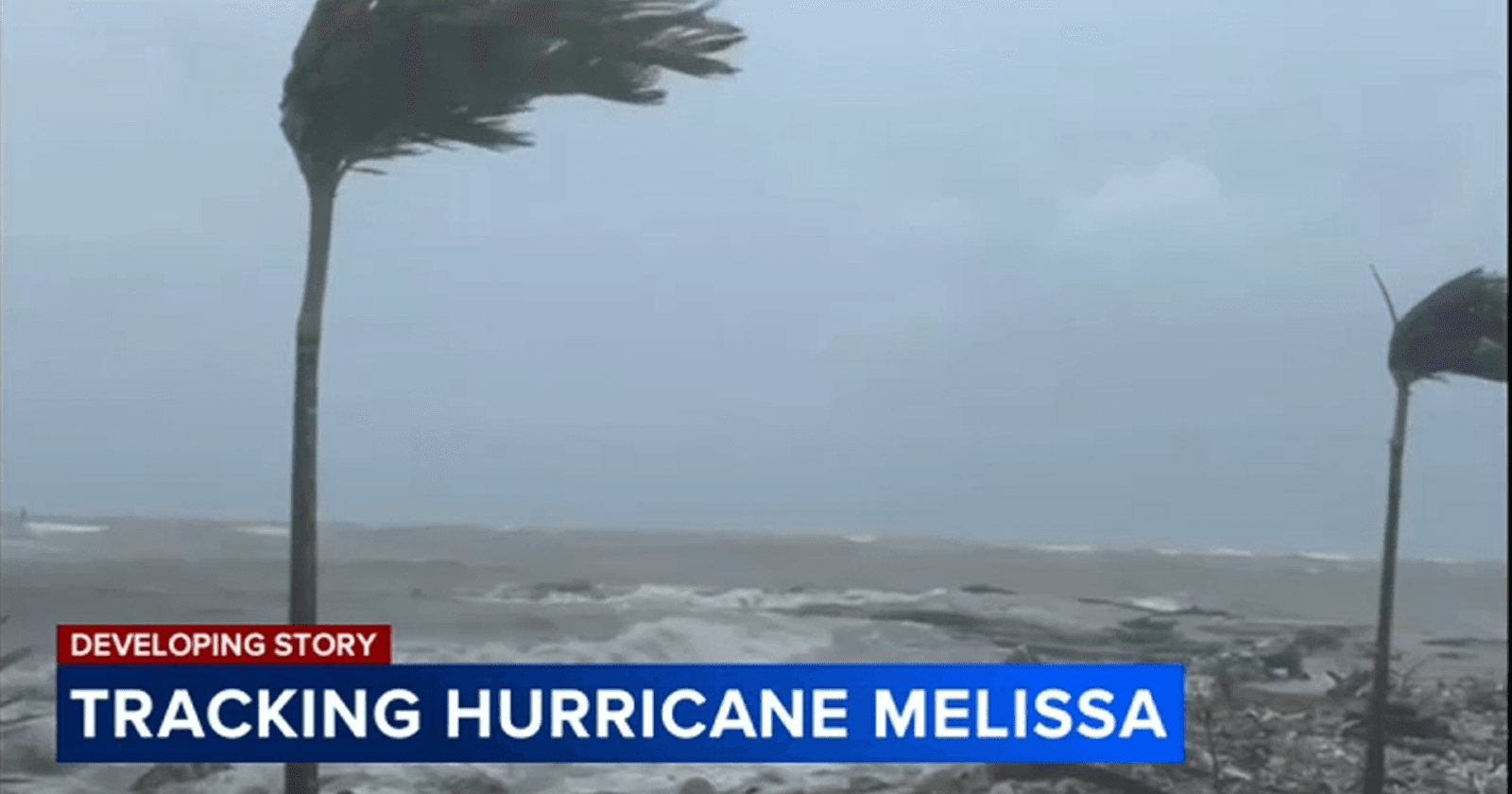
Extreme weather news now breaks on citizen video. Before satellite trucks arrive or anchors go live, the first flood surge, hail barrage, or lightning-sparked fire is captured by someone already there. For newsrooms, creators, and local officials, tapping that footage quickly, safely, and ethically is now essential. This article offers a practical playbook for requesting, verifying, and paying for authentic storm clips using POV bounties.
The new first camera on scene
In every weather season, the first gripping angles often come from residents, commuters, and workers who simply look up and hit record. Research on digital news consumption shows audiences find breaking updates through social feeds, often hours before traditional broadcasts catch up. The Reuters Institute has documented this shift in its Digital News Report, noting the growing role of user generated content in early-stage coverage of emergencies and disasters. See the latest overview from the Reuters Institute for the Study of Journalism: https://reutersinstitute.politics.ox.ac.uk/digital-news-report
At the same time, climate and weather extremes are more frequent in many regions. NOAA offers accessible reporting on heavy precipitation trends and storm climatology that can help contextualize what audiences see on video. For ongoing climate and weather context, explore NOAA Climate.gov: https://www.climate.gov and the National Centers for Environmental Information: https://www.ncei.noaa.gov
Citizen video does not replace professional reporting. It expands the field of view. With the right requests and verification, it can transform a vague alert into specific, public service information in minutes.
Lessons from the Eye of the Storm
Few people understand hurricanes like Josh Morgerman (@iCyclone) — a veteran storm chaser who has endured over 80 hurricanes, including five Category 5s. When Hurricane Melissa began to intensify, Josh shared a concise set of survival rules that cut through the noise and speak directly to what matters most: preparation and awareness.
His advice is simple but lifesaving — know your elevation, trust your shelter, identify your safe room, and never underestimate the storm’s strength. These are the kinds of insights that can save lives long before professional crews arrive.
A quick primer on POV bounties
POV is a citizen journalism app that coordinates on-the-ground footage:
A user posts a bounty for footage in a specific location and timeframe.
Other users physically walk into the bounty circle, record what is happening, and submit their video in app.
The bounty poster reviews submissions and pays for the accepted video.
That simple workflow turns a local resident with a phone into a contributor, and it turns a newsroom or creator into a clear, ethical buyer.
Make the right ask, fast
When storms hit, clarity is speed. If you are posting a POV bounty for weather coverage, structure your ask with safety and specificity:
Pinpoint the location and time window. Use an intersection, a neighborhood name, or a landmark. Weather changes block by block.
Be explicit about safety. Encourage filming from cover, never in floodwater or wind corridors, and never while driving. Safety language signals your values and reduces risk.
Define what you need. Examples: 15 to 45 seconds of continuous video, wide shots of street flooding depth against curb, audio on, avoid identifiable faces unless they give permission.
Explain how you will use the footage. News segment, social explainer, city update, or research. Transparency builds trust and reduces later confusion.
Set a clear acceptance standard. Visibility in frame, steady enough to use, no filters or added music, include a brief description in the caption.
Communicate payout and licensing terms. Say that you are paying for non-exclusive or exclusive usage and where it will appear. Pay for accepted video only.
WITNESS, a global leader in human rights video, recommends foregrounding safety and consent when asking communities for footage. Their resources are a helpful reference for ethical requests and publication context: https://www.witness.org
Verification that fits the clock
Weather breaks fast. Verification must be both rigorous and efficient. Build a two lane process, one for quick signals and one for deeper checks before wider distribution.
Rapid checks you can perform in minutes:
Geolocation by landmarks. Compare storefronts, street signs, hills, or distinct light poles to satellite or street imagery. Free tools like OpenStreetMap or Google Maps help.
Weather cross check. Confirm that the conditions in frame match radar or satellite for that time and place. For the United States, check NCEI radar archives or live NWS radar: https://www.ncei.noaa.gov/access/radar-data and https://www.weather.gov
Timing clues. Look for sun angle, shadows, traffic patterns, and any audible time checks like sirens at the top of the hour.
Consistency with other posts. If several clips show similar conditions from different vantage points, confidence rises.
Deeper verification before wide distribution:
Metadata when available. Some devices preserve capture time and GPS coordinates, though many platforms strip this. Treat metadata as supportive, not definitive.
Reverse image search for key frames to rule out old footage.
Contact the filmer. Ask simple, open questions that encourage detail. Where were you standing. Which direction were you facing. What happened right before and after.
For step by step techniques, the Verification Handbook by the European Journalism Centre is a go to resource used by newsrooms worldwide: https://verificationhandbook.com. Amnesty International’s Citizen Evidence Lab also offers practical guides for verifying user generated footage during crises: https://citizenevidence.org
What a good storm clip looks like
Storm video is most useful when it communicates scale and impact clearly:
Frame a stable reference. Floodwater against a curb or a car tire tells immediate depth. Hail next to a coin shows size. A fallen tree next to a street sign shows width.
Hold the shot. A steady 10 seconds with visible context is often more informative than a fast pan.
Natural sound matters. Wind gusts, thunder intervals, sirens up close or far off, all layer meaning. Avoid adding music or filters.
Keep safety in frame. Do not film in moving water, on bridges in high winds, or near downed power lines. Leave that out and say so in your bounty description.
If you want to see how citizen clips get aggregated for situational awareness, the European-Mediterranean Seismological Centre’s LastQuake project offers a useful analogy for earthquakes. It blends eyewitness inputs with rapid maps and sometimes user submitted media. Learn more: https://www.emsc-csem.org and https://www.emsc-csem.org/Earthquake/lastquakes.php
Pricing without guesswork
There is no universal price for user generated weather video. Consider these variables when setting a bounty:
Proximity and risk. A safe balcony shot is one price, a street level clip in heavy rain from cover is another. Never incentivize risky behavior.
Timeliness. Early footage is more valuable for live updates. If you missed the peak by hours, pay fairly but adjust expectations.
Uniqueness. A rare angle, such as clear footage of a specific infrastructure failure, might justify a higher rate.
Usage rights. Exclusive use costs more than non exclusive. Be explicit.
State your terms in the bounty description. When you accept a clip in POV, you pay for what you use. Keep your communication short and clear so contributors know what to expect.
A 10 minute case vignette
Here is a composite scenario based on common weather incidents.
0 to 2 minutes: An intense cell stalls over a neighborhood. Social posts mention flooded intersections. You post a POV bounty that pins the area, asks for 15 to 30 second clips of water depth at specific corners, repeats safety guidance, and offers payment for accepted video.
3 to 6 minutes: Two residents inside the bounty circle submit clips from covered doorways. Each shows water rising against curbs and wheel wells, plus audio of distant sirens.
6 to 8 minutes: You run rapid checks. Landmarks and street signs match maps. NWS radar shows a slow moving band exactly over that block. The light level matches the timestamp. You message the contributors to confirm their positions and vantage directions.
8 to 10 minutes: You accept and pay for the most informative clip and publish a short update. The post credits the filmer, frames the safety message, and adds context about stalled drainage. You continue to accept more clips until the storm moves.
This simple loop turns scattered reports into a clear picture that helps neighbors and responders make decisions.
Legal and ethical basics
User generated footage brings legal responsibilities. This is general guidance, not legal advice:
Copyright. The filmer holds the copyright. Paying a bounty for accepted video buys usage rights as stated in your terms. Be explicit about scope and duration.
Privacy and consent. Avoid identifiable faces in private spaces. If a person is central to the story, seek consent where possible. Blur when appropriate.
Public versus private space. Filming from a public sidewalk into a public street is generally permissible in many jurisdictions. Laws vary significantly.
Attribution. Always credit the filmer unless they request anonymity for safety reasons.
For deeper reading, see the Reporters Committee for Freedom of the Press resources on newsgathering and UGC considerations: https://www.rcfp.org/resources. WITNESS also provides guidance on ethical publication and potential harm minimization in crisis contexts: https://www.witness.org
Build your rapid response muscle
Preparation makes the difference between a frantic scramble and a confident response.
Draft bounty templates. Pre write clear asks for floods, hail, wind damage, lightning, and wildfire smoke. Update the location and time in seconds when news breaks.
Maintain a local map pack. Keep quick links to radar, satellite, traffic cams, and utility outage maps for your coverage area.
Set a verification checklist. Use a 5 step list on your desk or phone so you never skip the basics under pressure.
Track your sources. Create a simple spreadsheet or notebook with trustworthy local accounts, community groups, and agencies. Follow updates and safety guidance.
Close the loop. Thank contributors, pay quickly, and share where their footage appeared. That respect builds a local network that is ready next time.
A simple checklist you can use today
Copy and adapt this for your team or solo workflow.
Safety first. Your bounty text clearly discourages risky capture.
Specific ask. Location pin, time window, clip length, angle, and audio guidance.
Clear terms. Payment for accepted video only, rights scope, attribution.
Rapid verify. Landmarks, maps, radar or satellite, reverse image, contact filmer.
Publish context. Credit, safety message, local weather and infrastructure info.
Archive and follow up. Store accepted clips with notes, pay promptly, and thank contributors.
Why this matters for citizen journalism
Citizen video is not just faster. It can be closer to the ground truth when it is guided, compensated, and verified. In weather, that matters because minutes can change outcomes. A precise clip of flooded underpasses can reroute traffic. A balcony view of a brush fire’s direction can inform evacuations. A hail measurement next to a coin can help assess damage quickly.
POV bounties create a straightforward way to request exactly what you need, at the location and time it matters, and to pay fairly for accepted footage. That is good for audiences, for contributors, and for journalism.
Useful links and references
Reuters Institute Digital News Report on audience behavior: https://reutersinstitute.politics.ox.ac.uk/digital-news-report
Verification Handbook by the European Journalism Centre: https://verificationhandbook.com
Amnesty Citizen Evidence Lab guides: https://citizenevidence.org
WITNESS ethical and safety resources: https://www.witness.org
NOAA Climate.gov for weather and climate context: https://www.climate.gov
NCEI radar access for cross checking conditions: https://www.ncei.noaa.gov/access/radar-data
USGS Did You Feel It crowdsourced earthquake reports, a model for citizen inputs: https://earthquake.usgs.gov/data/dyfi/
Reporters Committee for Freedom of the Press legal resources: https://www.rcfp.org/resources
📬 Be part of what’s next
POV is a citizen journalism app that turns everyday people into contributors. Post a bounty, request video from anywhere in the world, or walk into a bounty circle and get paid for your footage.
Learn more: https://pov.media
Sign up for early access: Subscribe to POV Stories
Follow us: @POVAppOfficial


